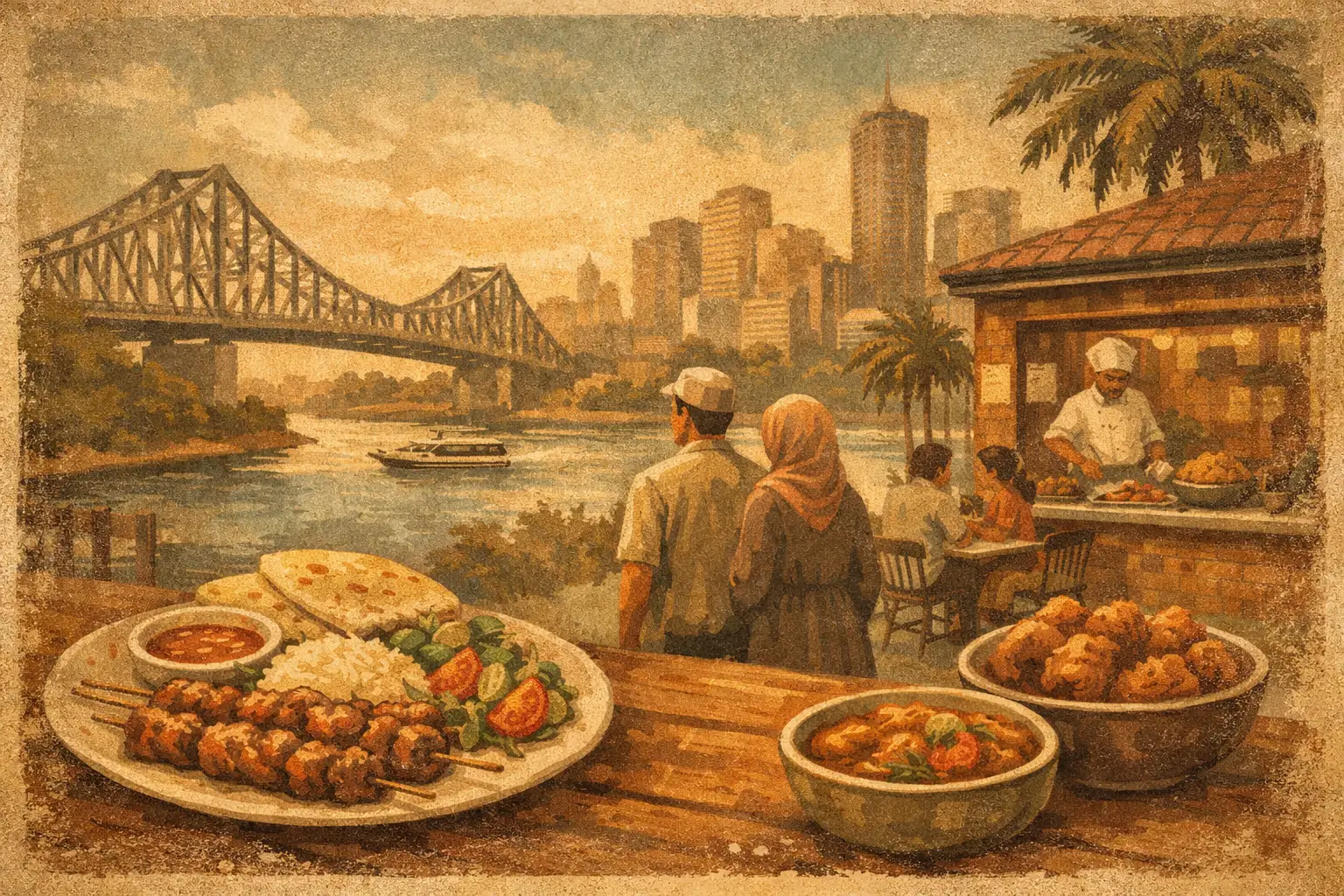
It usually starts the same way - you’re hungry, it’s getting late, and you type halal food near me in Brisbane into your mobile hoping for a straight answer. What you get instead is a mixed bag: places tagged halal with no detail, menus that look promising but say nothing about sourcing, and reviews that talk about flavour without answering the one question that matters to you.
That’s why this search needs more than a map result. If you care about how meat is sourced, how food is handled, and whether a venue is actually suitable for you, then "halal" is not a loose label. It’s a standard. And in Brisbane, where takeaway options are broad and varied, knowing what to check can save you from a disappointing order.
Halal food near me in Brisbane is not always a simple search
Plenty of venues appear in search results because customers have described them a certain way, not because the business has made a clear claim. That distinction matters. A restaurant might use halal-sourced chicken or beef, but if it also serves pork, or if its kitchen setup does not support full separation, that changes whether it suits your needs.
This is where people get caught out. The food can be fresh, generous, and full of flavour, but halal suitability is about more than whether one ingredient was bought from the right butcher. It also comes down to certification, kitchen handling, menu overlap, and how transparent the business is when asked directly.
The best venues don’t dance around it. They tell you plainly what they do, what they don’t do, and where the line is. That kind of honesty is worth more than a vague claim on a delivery app.
What to look for before you order
Start with the menu itself. If a venue serves pork or alcohol, that does not automatically tell you everything, but it does mean you should ask more questions. For some diners, that is an immediate no. For others, the deciding factor is whether meats are kept separate and whether cross-contamination is actively avoided. It depends on your own threshold, but either way, you need facts.
Next, look for clear wording around meat sourcing. "Halal meat" and "halal certified business" are not the same thing. A venue may buy beef and chicken from halal butchers while still operating a kitchen that is not halal certified overall. That distinction should never be hidden in fine print.
Then consider how the business talks about preparation. If they are serious operators, they will usually explain their process in plain language. Fresh daily prep, separate handling, and a tight menu can be a good sign because it suggests control. A sprawling menu with vague answers is harder to trust.
Reviews can help, but only up to a point. They are useful for checking consistency, portion size, and whether people rate the food highly. They are less useful when it comes to compliance details, because customers often repeat assumptions. If the business itself has not made a clear statement, treat review-based halal claims carefully.
The difference between halal-sourced and halal certified
This is the part many venues should explain better.
Halal-sourced usually means some or all meats are purchased from halal butchers or suppliers. That can matter a lot to customers who want reassurance about sourcing. But it does not automatically mean the whole operation is halal certified.
Halal certified means there is a formal standard being met across sourcing, handling, storage, and preparation according to the certifying body’s requirements. If a venue serves pork, for example, it may choose not to present itself as halal even when some meats are halal-sourced. That is the honest call.
For Brisbane diners, the practical takeaway is simple: ask which meats are halal-sourced, ask whether the venue is halal certified, and ask how the kitchen manages separation. If the answers are direct, you can make an informed choice. If the answers are fuzzy, keep moving.
Why transparency matters more than hype
When you’re choosing takeaway for yourself, your mates, or the family, vague marketing is no help. You want food that is worth the trip and worth the spend, but you also want clarity. Brisbane has no shortage of places selling big flavour. What separates the better operators is how upfront they are.
A business that says, "Our beef and chicken come from halal butchers, we avoid cross-contamination, but we also serve pork so we are not halal certified," is giving you something useful. It may or may not fit what you’re looking for, but at least you know where you stand. That beats a venue that lets customers assume the answer.
Good food businesses should be confident enough to tell the truth. That includes the limitations of their menu.
If you want bold takeaway, ask the right questions
Not every search for halal food near me in Brisbane is about fine dining or a formal sit-down meal. A lot of the time, it’s weekend takeaway, a late feed, or a family order that needs to land properly. In those moments, speed matters, but so does trust.
If you are ordering briyani, smoked meats, fried chicken or loaded snack packs, ask about the protein you actually want, not just the venue in general. One menu category may suit you better than another. A business can have halal-sourced chicken and beef options while also running a menu that includes non-halal items. You need product-level clarity.
This is especially relevant with fusion menus. They can be brilliant when done properly, but they also create more moving parts. Different meats, different prep stations, different storage needs. A strong operator will know exactly how each item is handled and will answer without hesitation.
What this looks like in real life
In Brisbane’s takeaway scene, some of the most popular venues are the ones doing a few things very well rather than trying to be everything to everyone. That’s usually a better sign for quality and consistency. Small batches, fresh prep, and limited trading windows often mean the food has been thought through.
For example, a fast-casual venue might build its reputation on Chennai-style briyani made fresh daily, alongside smoked brisket, fried chicken and loaded chips. That kind of menu can attract serious demand because it is bold and different. But if pork is also on the menu, the business should not market itself as halal. Even if its beef and chicken come from halal butchers and the kitchen actively avoids cross-contamination, the honest position is to explain that clearly and let the customer decide.
That approach respects the customer. It also builds more trust than trying to capture search traffic with labels that overreach.
How to choose with confidence
If you’re comparing options tonight, keep it simple. Look for businesses that are specific about sourcing. Check whether they mention certification or only sourcing. Read the menu carefully for pork. If anything is unclear, call or message and ask directly.
You do not need a long script. Ask three things: Are your meats halal-sourced? Are you halal certified? Do you serve pork or prepare it in the same kitchen? Those questions cut through most of the noise.
Once you’ve got the answer, the choice becomes easier. Some diners want certified-only venues. Others are comfortable with halal-sourced meats and careful handling as long as the business is transparent about the broader menu. There is no point pretending those are the same standard. They are not.
If you’re in Brisbane and chasing food that is crafted fresh, served fast, and worth the run, honesty should be part of the flavour. A place that tells you exactly what it does is a place you can order from with your eyes open. And when a business is clear about where it stands, you can spend less time second-guessing the menu and more time getting the meal right.
Ready to try it? We cook fresh every week.
Chennai-style briyani and 12-hour smoked brisket. Sunnybank, every Saturday from 5 PM.
See Our Full Menu →